
DOMAIN AVAILABLE
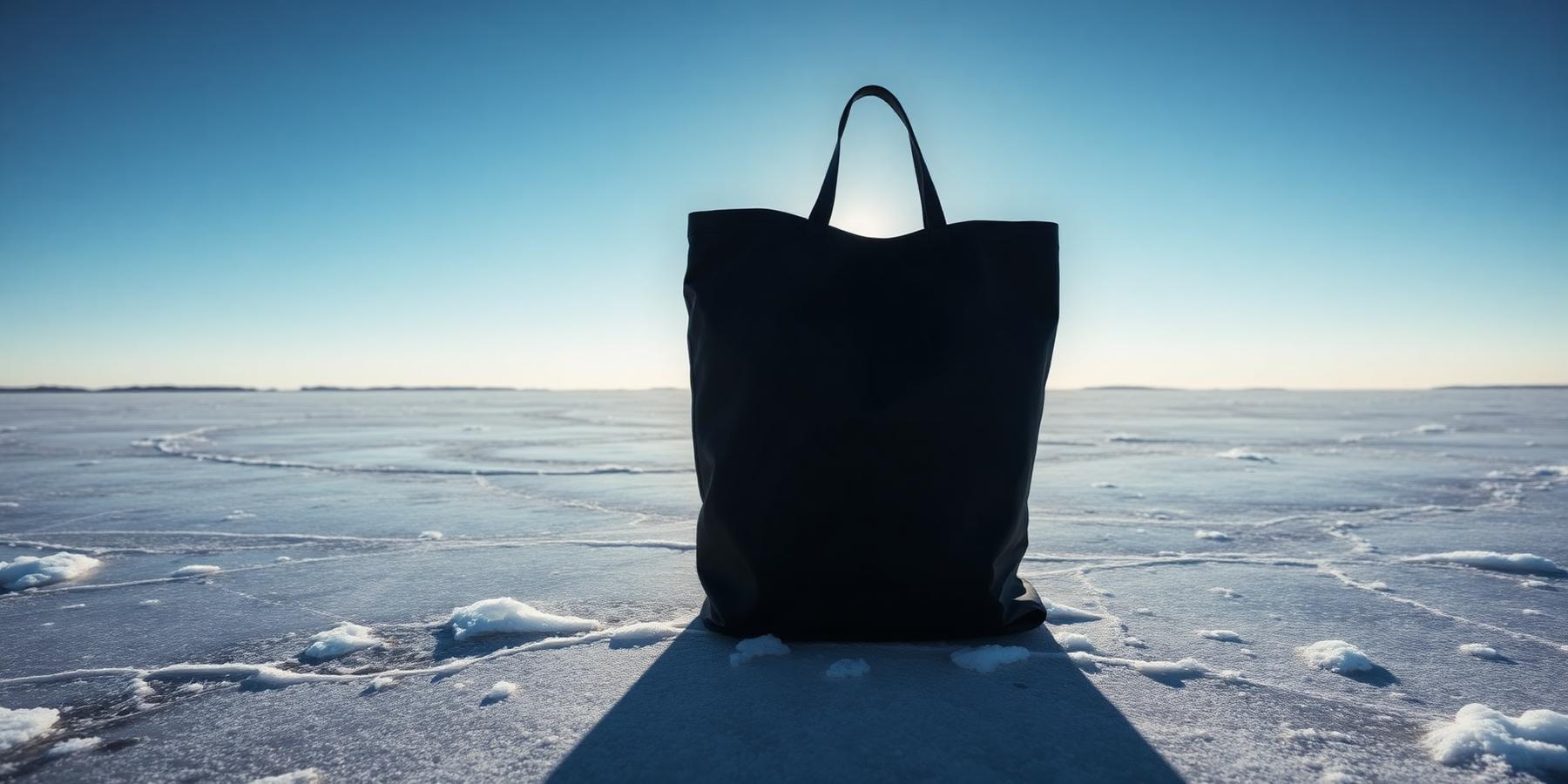
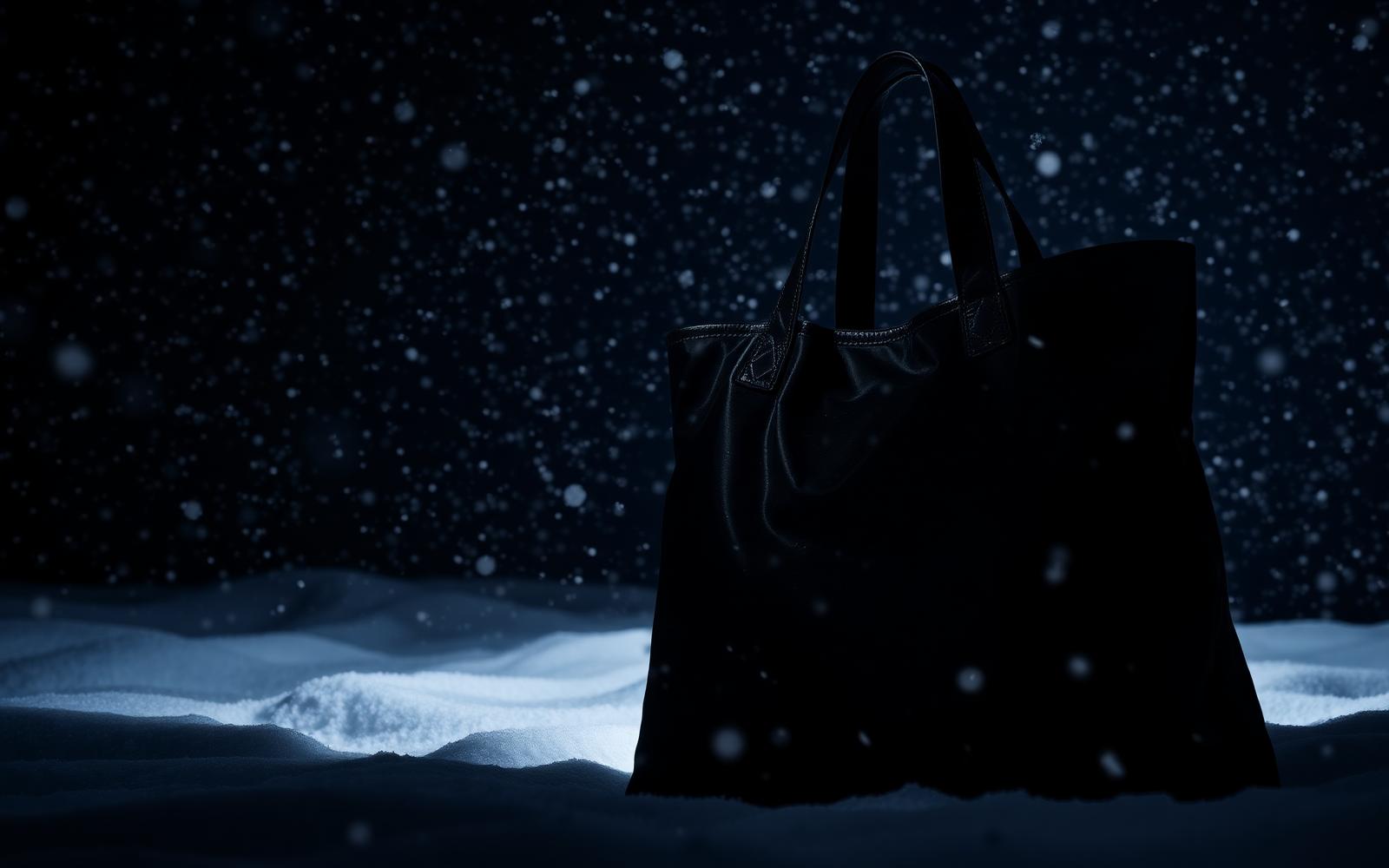
Black canvas tote standing upright in deep snow in an empty Arctic landscape
  • COLDTOTE
  • EST. 2026
  • 61°–90° N

COLDTOTE— Tote bags in cold weather, snow and sub-zero conditions

OBJECTS OF
COLD DESIRE

An independent study of tote bags exposed to environments for which they were never intended.

ENTER THE ARCHIVE ↓

COLDTOTE / DEFINITION

WHAT IS COLDTOTE?

ColdTote is an independent editorial study of tote bags exposed to winter, snow, ice and sub-zero environments. It takes an ordinary carrying object — one designed, in almost every case, for bookshops, markets, offices and warm afternoons — and observes it under conditions that were never part of its brief.

The subject is narrow on purpose. ColdTote is not concerned with bags in general. It is concerned with the tote: two handles, an open mouth, a flat body, a seam at each side, and nothing else. That construction is unusually honest. There is no frame to hide behind, no hardware to distribute a load, no lining to disguise how the panels were joined. When the temperature drops and moisture enters the material, the construction becomes the story.

The work covers canvas and cotton, nylon and other synthetics, coated surfaces and unidentifiable hybrids. It looks at what happens when snow lands on a woven face and stays there. It looks at meltwater, at freezing water, at ice accumulating along a stitched edge, at handles that have been gripped, loaded and flexed several hundred times in a single winter. It looks at the moment a tote is carried from −18°C outdoors into a heated room, which is arguably the most eventful thing that happens to it all day.

ColdTote combines photography, field observation and material-focused editorial writing. The photographs are made in cold places. The observations are recorded in the same spirit: attentive, specific, and deliberately unhurried. The writing tries to describe what is actually visible rather than what would be convenient to claim.

It is worth stating plainly what this is not. ColdTote does not conduct laboratory testing. It issues no certifications, ratings or performance guarantees. Nothing published here should be read as a validated temperature limit for any product, and no manufacturer's care instructions should be set aside on the strength of an observation made in a snowfield. Where advice appears, it is the ordinary, sensible kind: brush off loose snow, let saturated textiles dry, do not store a wet bag folded in a warm cupboard for a fortnight.

ColdTote is published independently at ColdTote.com. It has no commercial affiliation, no product line and no position to defend. The archive grows when something worth photographing appears in front of a lens at a low enough temperature.

The tote is a simple object until the environment stops being simple.

COLDTOTE / ARCHIVE

THE COLD ARCHIVE

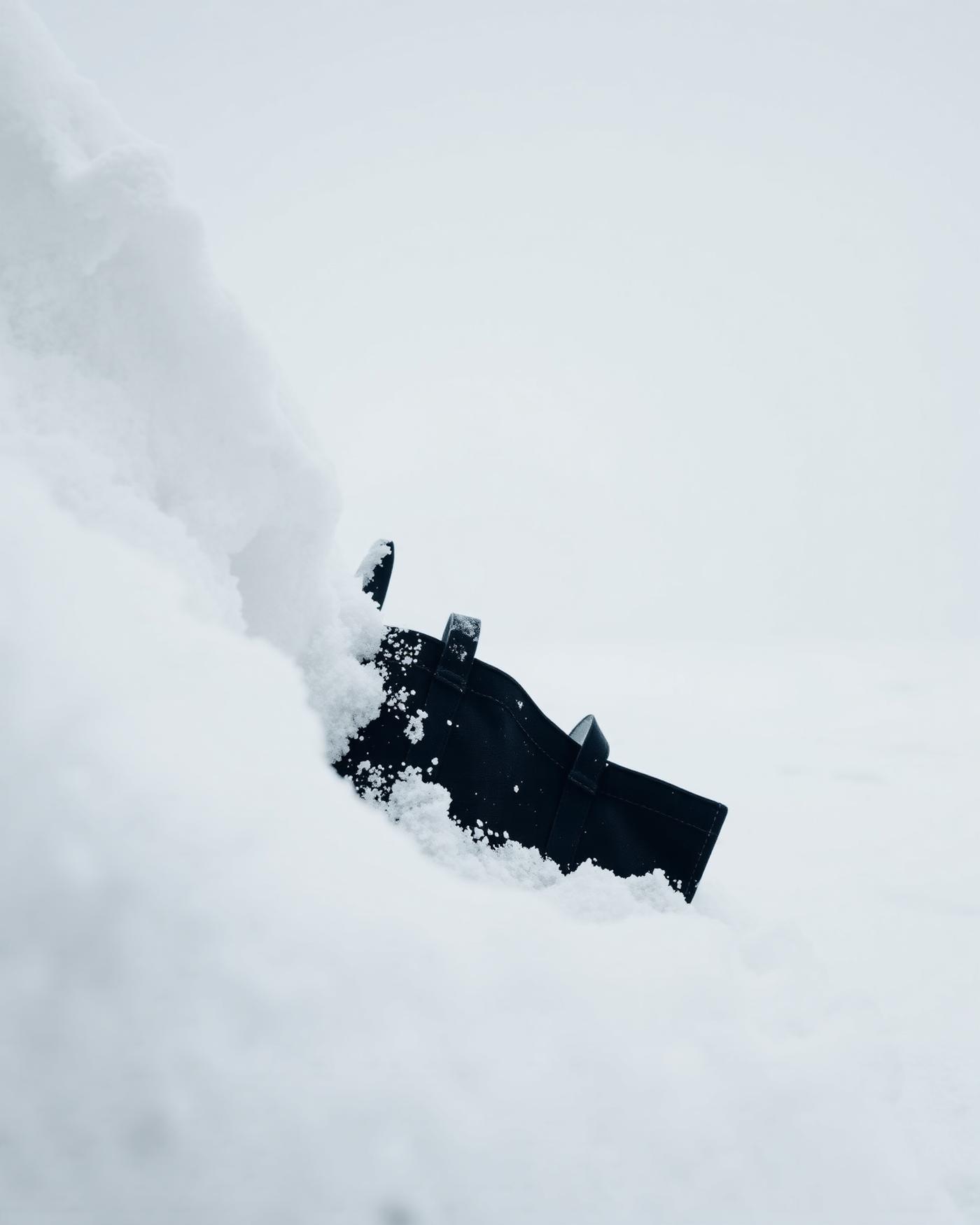
Black canvas tote partially buried in a snow drift in Svalbard

CT–001

  • BLACK CANVAS
  • SVALBARD
  • −18°C
  • WIND 31 KM/H
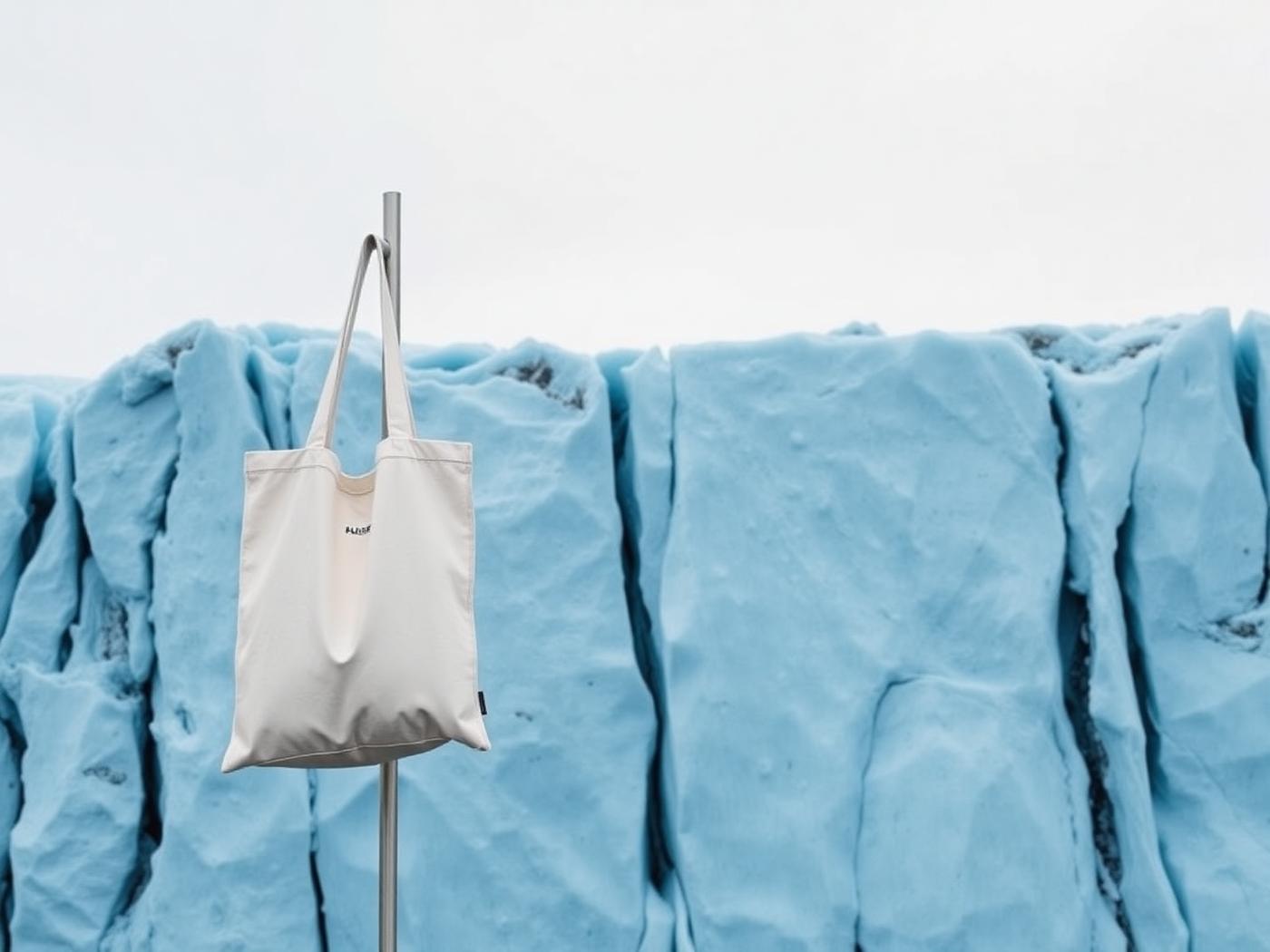
Cream cotton tote hanging from a steel pole beside a glacier wall

CT–002

  • NATURAL COTTON
  • VATNAJÖKULL
  • −11°C
  • RELATIVE HUMIDITY 87%
Red nylon tote photographed against a snowy landscape

CT–003

  • NYLON / RED
  • GREENLAND ICE SHEET
  • −24°C
Close view of frost and ice crystals on a canvas tote handle

CT–004

  • HEAVY CANVAS
  • FINNISH LAPLAND
  • −16°C
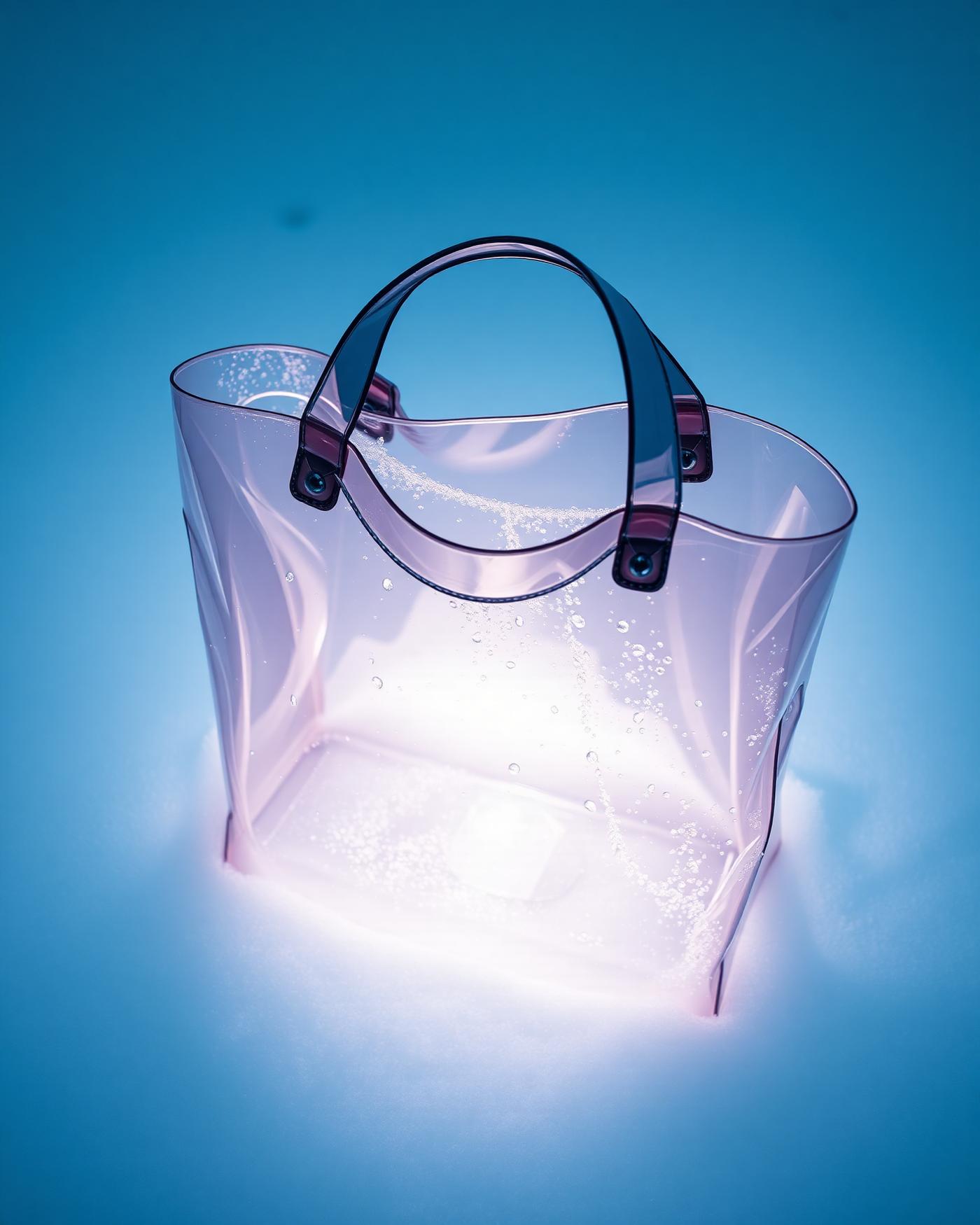
Translucent PVC tote covered in condensation and frost on snow

CT–005

  • TRANSLUCENT PVC
  • LONGYEARBYEN
  • −21°C
Black nylon tote lit by a single hard flash in falling snow at night

CT–006

  • BLACK NYLON
  • ARCTIC NIGHT
  • −27°C

COLDTOTE / COLD WEATHER STUDIES

HOW TOTE BAGS BEHAVE IN THE COLD

What follows is the central body of ColdTote's written work: eight chapters on how tote bags behave when the air, the ground and the water around them fall below freezing. The chapters can be read in order or entered anywhere. They share one assumption — that a tote in the cold is worth describing accurately.

CHAPTER 01

CAN A TOTE BAG SURVIVE FREEZING TEMPERATURES?

  • SUBJECT / GENERAL CONSTRUCTION
  • CONDITION / SUB-ZERO
  • VARIABLE / MOISTURE

The question arrives constantly, and it is almost always the wrong question — not because it is foolish, but because temperature on its own explains very little.

A tote bag is a textile assembly. Woven or knitted fabric, thread, folded and stitched edges, reinforcement at the handle attachments, sometimes a coating, sometimes a printed face. Each of those elements responds to cold in a slightly different way, and the differences only become interesting when water is involved.

The first distinction worth making is between dry cold and wet cold. A dry tote in dry, still, sub-zero air is in an undramatic situation. The fabric is colder. It may feel a little firmer in the hand. Fibres and coatings generally become less pliable as temperature falls, and a stiff-feeling bag is not necessarily a damaged one. Nothing about low air temperature by itself removes a bag's ability to hold a load and be carried.

Wet cold is a different problem entirely. Water that has entered a weave, sat in a seam allowance or soaked into a handle behaves like a material in its own right once it freezes. Saturated fabric that freezes can become noticeably rigid. Folds set. A creased panel that is flexed hard while frozen is being asked to bend around ice rather than around thread, and that is where wear tends to concentrate.

At −18°C, the tote remains recognisably a tote. This is not as trivial an observation as it first appears. The object survives; what changes is how it behaves and how it should be handled. Repeated freezing and thawing, particularly with dirt, grit or road salt present, adds abrasion to the picture. Ice crystals in a weave are hard. Fabric moved against hard particles wears.

Load matters too. A cold, stiff, partly frozen bag carrying something heavy concentrates stress at the handle attachments, exactly where the construction is already most complex. That is the region ColdTote returns to more than any other, and it is the subject of Chapter 06.

The honest answer, then: most tote bags cope with cold air without incident. What determines whether a winter goes well is moisture, how often the bag is loaded while wet or frozen, how it is treated between exposures, and how it was constructed in the first place.

A TOTE DOES NOT EXPERIENCE WINTER AS A SINGLE MATERIAL.
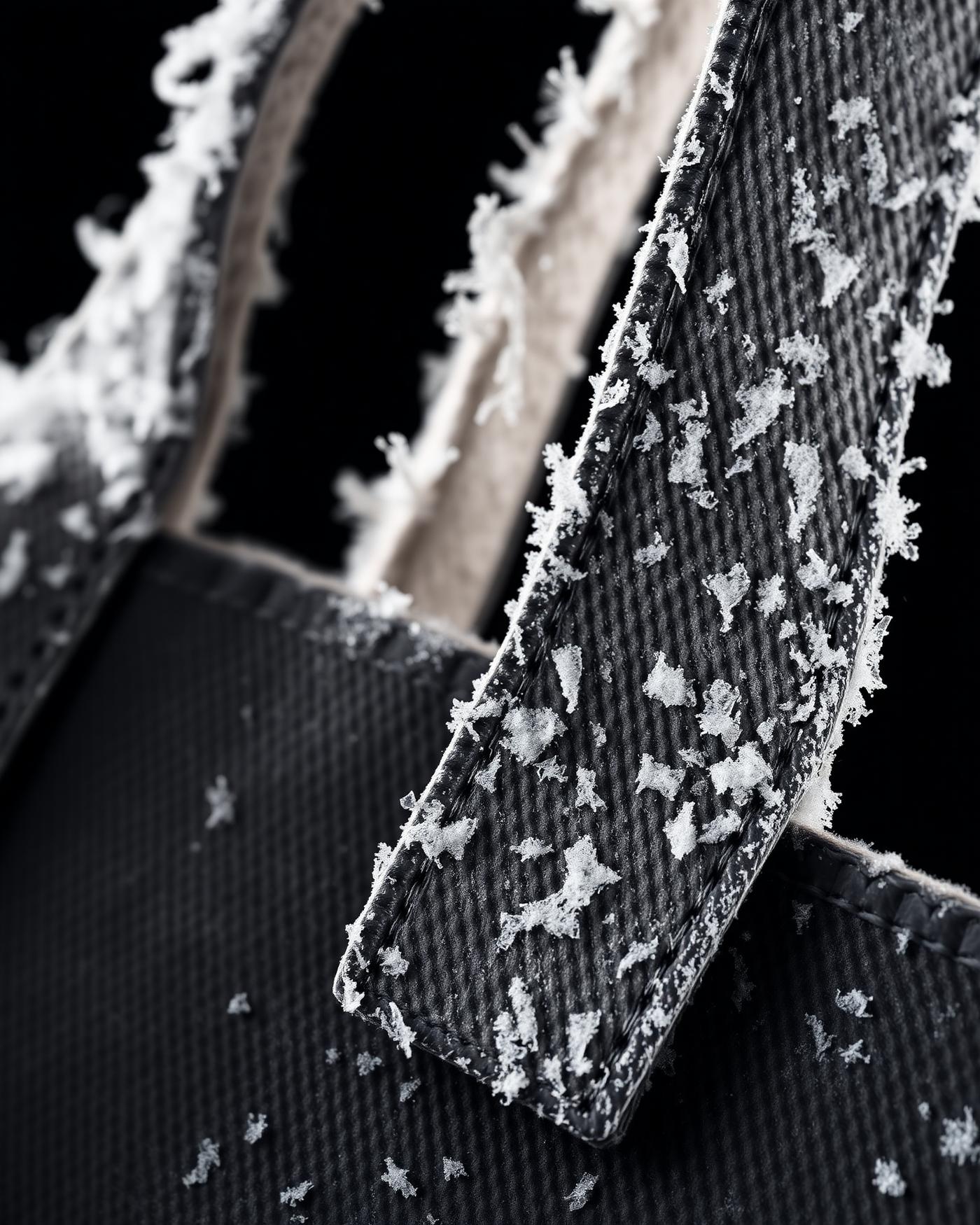
It experiences winter through fabric, thread, seams, handles, moisture and load.
Close view of frost on a canvas tote handle
FIG. 01 / SUBJECT / GENERAL CONSTRUCTION

MOISTURE CHANGES EVERYTHING.

CHAPTER 02

CANVAS TOTE BAGS IN COLD WEATHER

  • MATERIAL / COTTON CANVAS
  • STRUCTURE / PLAIN WEAVE
  • RESPONSE / ABSORBENT

Canvas is the default tote material and the one most people are actually asking about. It is also the one with the most to say in winter.

Canvas is normally a plain-woven cotton or cotton-blend textile, sometimes heavy, sometimes barely more substantial than a shirt. Its defining property in cold conditions is absorbency. Untreated cotton takes on water readily and holds it inside the yarn as well as between the threads. Everything that follows proceeds from that.

A dry canvas tote in cold air presents a fundamentally different problem from a saturated canvas tote exposed to the same temperature. Dry canvas becomes cool, slightly crisper, and otherwise carries on. It is a pleasant material in the cold: it stays matte, it takes frost beautifully, and it drapes in a way that photographs well against snow.

Snow contact is where the sequence begins. Dry, powdery snow at low temperature often sits on the surface of the weave without immediately wetting it, which is why a canvas tote can be brushed clean in a genuinely cold environment and stay dry. The trouble starts when the snow melts — against a warm hand, in a heated hallway, in a car, or simply because the temperature rose. Meltwater then moves into the fibres.

If that moisture subsequently refreezes, water within and between the yarns turns to ice. The fabric becomes temporarily stiff, sometimes dramatically so; a saturated heavy canvas panel can hold a shape it was never intended to hold. This stiffness is temporary and resolves on thawing. What does not resolve is any damage caused by forcing a frozen panel through a sharp fold.

Construction weight changes the experience. Heavyweight canvas holds more water, takes longer to dry and stays rigid longer once frozen, but resists abrasion well. Lightweight canvas wets through quickly, dries quickly, and is more vulnerable at the points where it is asked to carry load. Neither is better; they fail differently, if they fail at all.

Seams and handles are the parts of a canvas tote most affected by repeated wetting and drying. Folded edges hold water longer than flat fabric because there is more material in the same space. Cotton thread swells and shrinks with moisture. Over a winter of repeated cycles, stitching at a handle base does more work than any other 40 millimetres of the object.

Dirty snow adds a second problem. Slush from roads and pavements carries grit and, in many places, de-icing salt. Salt left in cotton after drying can leave visible tidemarks and keeps the fibres damp in humid conditions, since salt is hygroscopic. Rinsing matters more than most people expect.

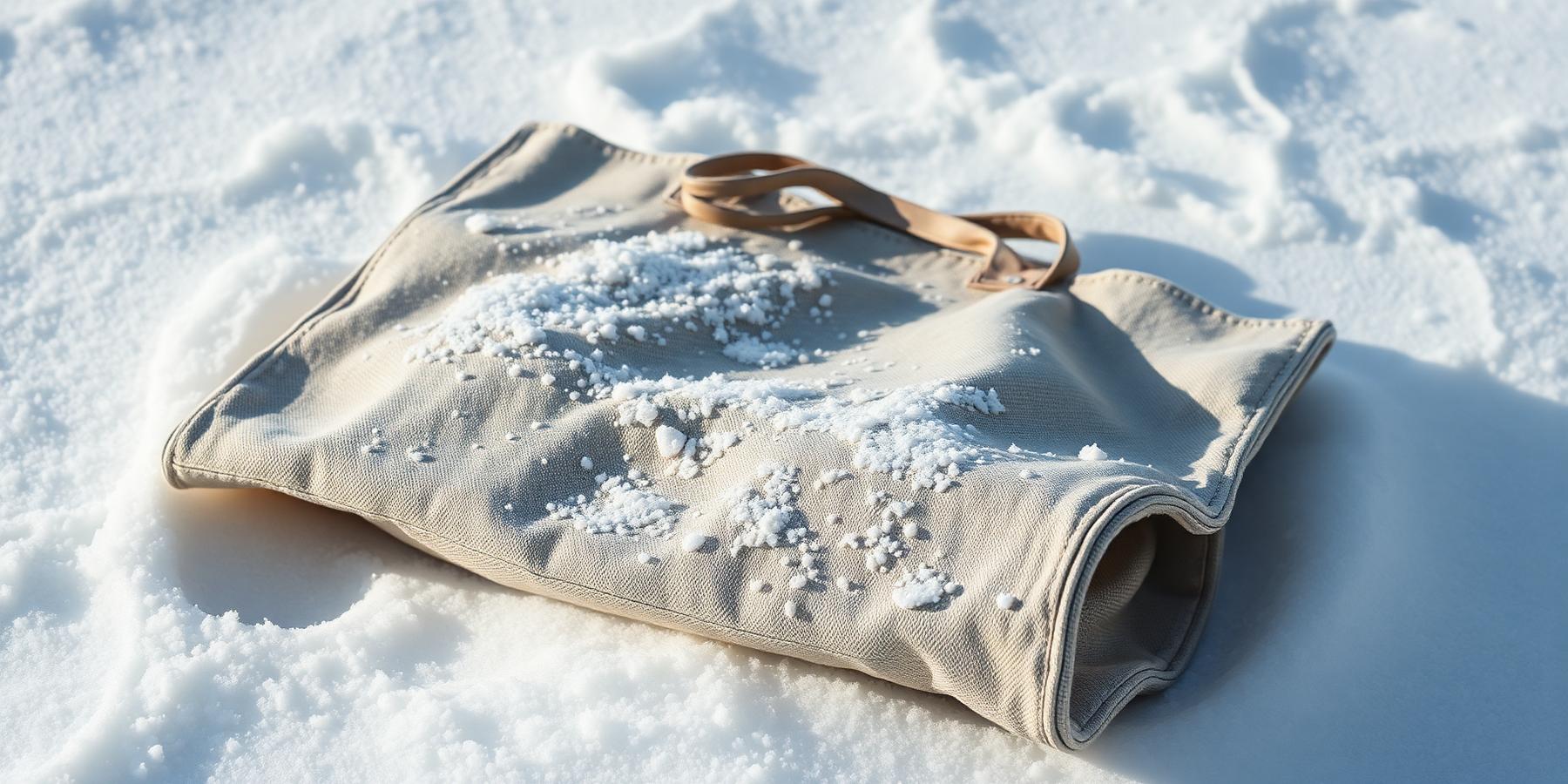
Natural canvas tote bag lying on fresh snow with snow crystals on the woven surface
FIG. 02 / MATERIAL / COTTON CANVAS

DOES CANVAS FREEZE?


The cotton itself does not freeze in any meaningful sense — there is nothing in a dry fibre to turn to ice. What freezes is water. A dry canvas tote at −20°C is simply a very cold dry tote. A wet one at the same temperature contains ice, and behaves accordingly: rigid, sometimes audibly crisp, holding its folds. The distinction sounds pedantic and is the single most useful thing to understand about canvas in winter.

CAN SNOW DAMAGE A CANVAS TOTE?


Snow by itself is unlikely to damage canvas. The damage pathway, when there is one, runs through what snow becomes. Meltwater carries dirt into the weave. Repeated saturation and drying stresses stitching. Prolonged storage while damp invites mildew and odour, which is a far more common winter outcome than any structural failure. Snow that is brushed off before it melts is close to a non-event.

WHAT HAPPENS TO WET CANVAS BELOW 0°C?


The water in and around the fibres freezes, and the panel stiffens. Handles may set into whatever curve they were in when they froze. The bag can usually still be carried, but it should be treated as a rigid object rather than a flexible one: avoid forcing folds, avoid cramming it into a small space, and avoid loading it heavily until it has thawed. Once it thaws, it generally returns to its previous state.

HOW SHOULD A CANVAS TOTE BE DRIED AFTER SNOW?


Brush off loose snow outdoors first. Indoors, empty the bag, open it out so both faces and the base are exposed to air, and let it dry at room temperature. Do not accelerate it on a radiator or with direct heat; cotton shrinks and printed faces do not enjoy it. If the bag met road slush, a rinse in cool water before drying removes salt and grit. Check the manufacturer's care label before washing anything printed, coated or lined.

THE TOTE REMAINS A TOTE. THE ENVIRONMENT DOES NOT.

CHAPTER 03

NYLON TOTE BAGS BELOW ZERO

  • MATERIAL / NYLON
  • STRUCTURE / WOVEN SYNTHETIC
  • RESPONSE / SURFACE

Nylon changes where the water goes, which changes almost everything else about how the object behaves in winter.

Synthetic totes are typically woven from nylon or polyester filaments, often thin, often coated on the inside face, and frequently designed to pack down to nothing. Unlike cotton, these fibres absorb very little water. Moisture therefore tends to remain on the surface rather than within the yarn.

That single difference produces most of the observable behaviour. Water beads. Snow slides. A shake and a wipe remove a surprising proportion of what landed. Where a canvas tote takes water in and carries it home, a nylon tote often sheds it at the door. In a wet, marginal, hovering-around-zero winter, this is a real advantage.

It is not a complete advantage. Surface water that is not removed still freezes. On a smooth coated face it forms a thin glaze rather than the crystalline bloom canvas produces, and a glazed panel folded hard can crack the ice layer along the crease. Coatings themselves generally become less flexible in cold; repeated sharp folding of a very cold coated fabric is the mechanism most likely to leave a permanent line.

Stitching on synthetic totes deserves attention precisely because the fabric is so light. Load passes into a small number of stitch holes in a thin material. Reinforcement patches, bar tacks and turned edges are doing real structural work, and they are the first places to inspect after a heavy winter. Where hardware is present — a clip, a ring, a buckle on a packable model — the meeting point of cold metal and cold webbing is worth a look. Metal chills faster than fabric and holds condensation.

Bringing a nylon tote indoors produces its own small event. Because water sits on the outside, thawing is quick and visible: the glaze goes, and the bag is simply wet. Wet, in this case, means wet on the surface, which dries in an hour rather than a day. Emptying it and letting air reach both faces is usually all that is needed.

Nylon does not make a tote suitable for a polar expedition. It makes it a tote that handles moisture at the surface instead of inside, which in most northern winters is the more forgiving of the two arrangements.

COLD DOES NOT MERELY ACT UPON THE TOTE. IT REVEALS HOW THE TOTE WAS CONSTRUCTED.
Dark nylon tote bag glazed with ice on a frozen lake in low arctic sun
FIG. 03 / MATERIAL / NYLON

BELOW ZERO, CONSTRUCTION BECOMES VISIBLE.

CHAPTER 04

WHAT ACTUALLY HAPPENS WHEN A TOTE BAG FREEZES?

  • PROCESS / PHASE CHANGE
  • AGENT / WATER
  • RESULT / TEMPORARY

Being exposed to sub-zero air and being frozen are not the same condition, and conflating them causes most of the confusion around this subject.

A dry textile taken to −25°C is cold. Its molecules are less energetic, its fibres and any coating are less pliable, and it may feel firmer than it did indoors. Nothing in it has undergone a phase change, because there is nothing in it to freeze. Left dry, it will behave much as it did before, only colder.

Introduce water and the situation acquires a mechanism. Water on the surface, water held between yarns, water absorbed into cotton fibres, water sitting in the folded layers of a seam: all of it can freeze. Ice occupies the spaces the water was in and locks the surrounding structure into whatever position it held at the moment of freezing.

This is what people are describing when they say a bag froze. The handle that will not hang straight, the panel that stands up on its own, the base that has set into the shape of the object it last carried — those are ice effects, not fabric failure. They reverse on thawing.

The reversal is worth waiting for. A frozen bag is a rigid bag, and rigid objects do not appreciate being folded, stuffed or loaded. Most winter damage to totes, in ColdTote's observation, happens in the few minutes when a frozen bag is treated as though it were still soft.

OBSERVED SEQUENCE

  1. DRY TOTE
  2. COLD EXPOSURE
  3. COLD, DRY TOTE
  1. WET TOTE
  2. TEMPERATURE BELOW 0°C
  3. WATER FREEZES
  4. TEMPORARY STIFFNESS / ICE
  5. THAW

So: can a tote bag freeze? Water on or within a tote bag can freeze, and while it is frozen the object feels and behaves differently. The textile itself is not transformed. The useful precaution is not to keep a tote warm — it is to keep it dry, and to be gentle with it while it is not.

THE HANDLE IS NOT AN ACCESSORY. IT IS A LOAD PATH.

CHAPTER 05

SNOW, ICE AND MOISTURE

  • INPUT / SNOW
  • MEDIUM / WATER
  • CYCLE / REPEATING

Moisture is the recurring subject of this archive because moisture is the thing that actually happens to a tote in winter.

Snow rarely arrives alone. It brings moisture, abrasion, compression and, eventually, a decision about what happens when the tote returns indoors. That decision — brush it off outside, or carry it in and let it melt — determines most of what follows.

Snow landing on cold fabric in genuinely cold conditions often stays snow. It sits on the weave, catches the light, and can be removed with a hand. The photographs in the archive that show snow resting cleanly on a surface were all made below about −10°C, where this behaviour is reliable.

Warmth changes the material. Indoors, or against a body, or in weak sun, the same snow becomes water. Water spreads. It moves into the weave, along seams and into the folded regions where two or three layers meet, and it stays there longer than the surface suggests. A bag that feels dry to the palm can be holding water in its edges.

Then the object goes out again. The water it is carrying is now exposed to sub-zero air, and it freezes in place. That is the cycle: snow, melting, moisture, refreezing. Repeated through a winter, it is the process that ages a tote — not any single cold day.

The practical response is unremarkable and effective. Remove loose dry snow before bringing the bag into a warm environment, where that is reasonable to do. Empty it. Open it out so air reaches both faces and the base. Let it dry fully before it goes back out or into storage. If it met road slush, rinse it. None of this is demanding, and all of it interrupts the cycle at the point where the cycle does its damage.

MOISTURE CYCLE

  1. SNOW
  2. MELTING
  3. MOISTURE
  4. REFREEZING

SNOW IS TEMPORARY. MOISTURE IS THE CONSEQUENCE.

CHAPTER 06

THE HANDLE PROBLEM

  • AREA / HANDLE
  • FUNCTION / LOAD PATH
  • ATTENTION / INSUFFICIENT

The handle receives little attention until it becomes cold, wet, loaded or damaged. ColdTote considers this an oversight.

Everything a tote carries passes through its handles. Two narrow strips, each perhaps forty millimetres wide, each attached to the body at two points, together transmit the entire load into the structure. In warm, dry conditions this arrangement is so reliable that nobody thinks about it. Winter makes it visible.

Cold handles behave differently in the hand. Webbing and folded canvas stiffen; a handle that used to collapse comfortably into a grip now resists. The contact patch shifts. People carry the same bag differently in January than in July, usually without noticing, and the load path shifts with them.

Hand warmth introduces moisture exactly where it is least convenient. A gloved or bare hand warms the handle, melts any snow on it, and drives water into the material at the single point that flexes most. That water then refreezes when the bag is set down outdoors. Repeat this across a season and the handle experiences more freeze-thaw cycles than any other part of the bag.

The attachment points are where this accumulates. Stitching at a handle base works through every step: flex, load, release, flex again. Add ice within the folded layers and each flex is working against a slightly harder material. Nothing dramatic happens on any given day. Failures at handle attachments, when they occur, are the sum of a winter's worth of small events.

Heavy contents make all of it faster. A frozen, stiffened handle carrying a full load concentrates force at the stitch line rather than distributing it along a compliant strap. The sensible winter habit is simply to carry less in a frozen bag, and to look at the handle bases in spring the way one might look at the tread on a tyre.

THE TOTE IS ONLY AS FREE AS ITS HANDLE.
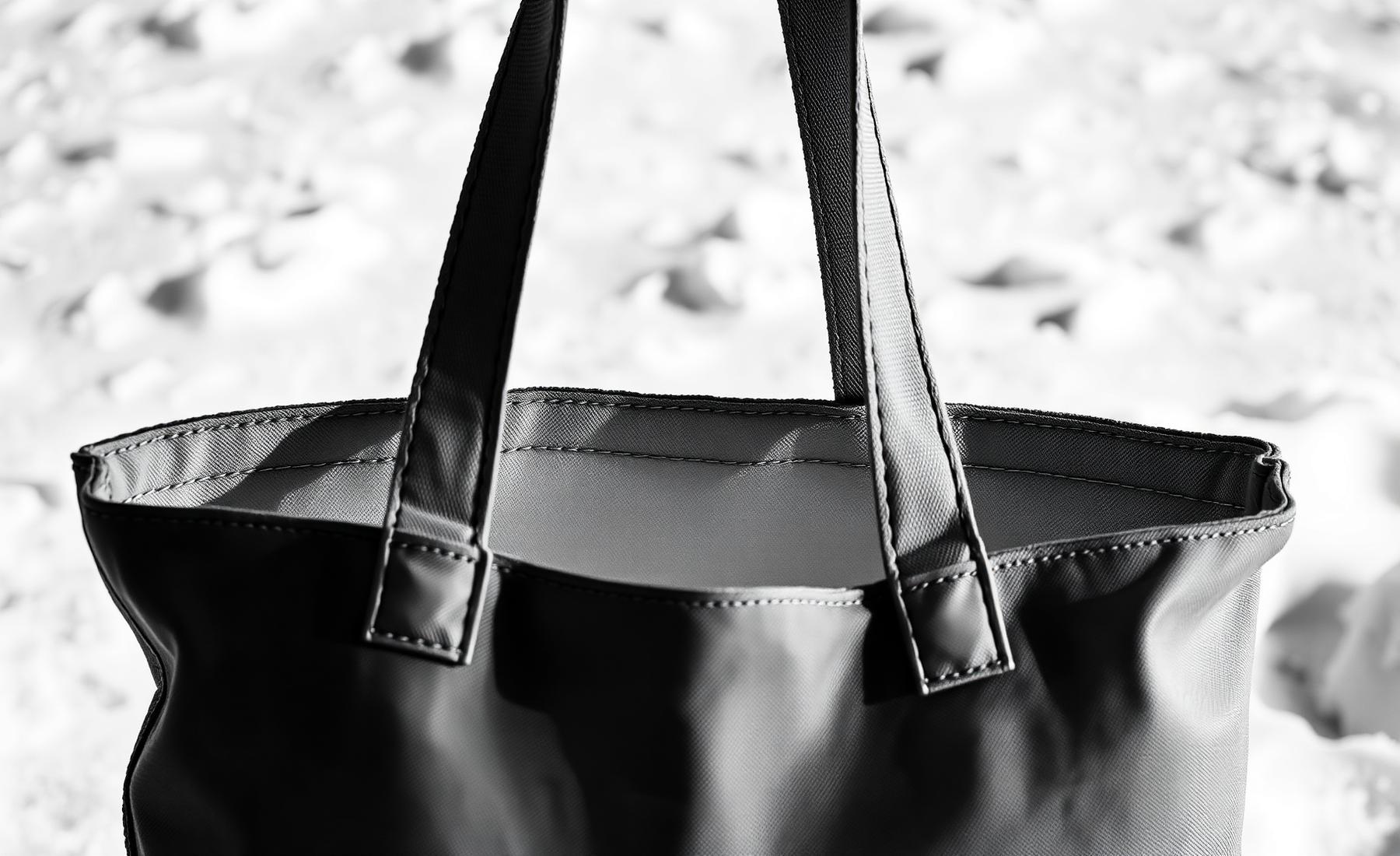
Monochrome close view of a tote bag handle pulled taut against snow
FIG. 06 / AREA / HANDLE

CHAPTER 07

SEAMS IN SUB-ZERO CONDITIONS

  • AREA / SEAM
  • LAYERS / MULTIPLE
  • CONDITION / SUB-ZERO

A seam is not fabric. It is several pieces of fabric, some thread, and a certain amount of trapped air and water, all occupying a few millimetres.

Uninterrupted fabric is a single system. A seam is an assembly: overlapping layers, stitching, folded material, sometimes binding tape, sometimes a reinforcement patch, and at the handle bases an attachment point carrying concentrated load. Each addition creates an interface, and interfaces hold water.

That retained moisture is the reason seams read so differently in the photographs. Frost tends to appear along stitch lines before it appears across a panel, and ice persists in a folded edge long after the flat face has dried. A seam is, in effect, a small reservoir with a decorative topstitch over it.

Mechanically, a frozen seam is stiffer than the fabric on either side of it, so movement concentrates just beside the stitch line rather than along it. This is ordinary and rarely a problem. It becomes a problem only where the same crease is worked repeatedly while frozen, with grit present, under load — which is to say, at a handle base on a heavily used winter bag.

None of this argues against seams, which are the only reason the object exists. It argues for looking at them. Most of the intimacy in this archive is directed at stitch lines because that is where the construction stops being invisible.

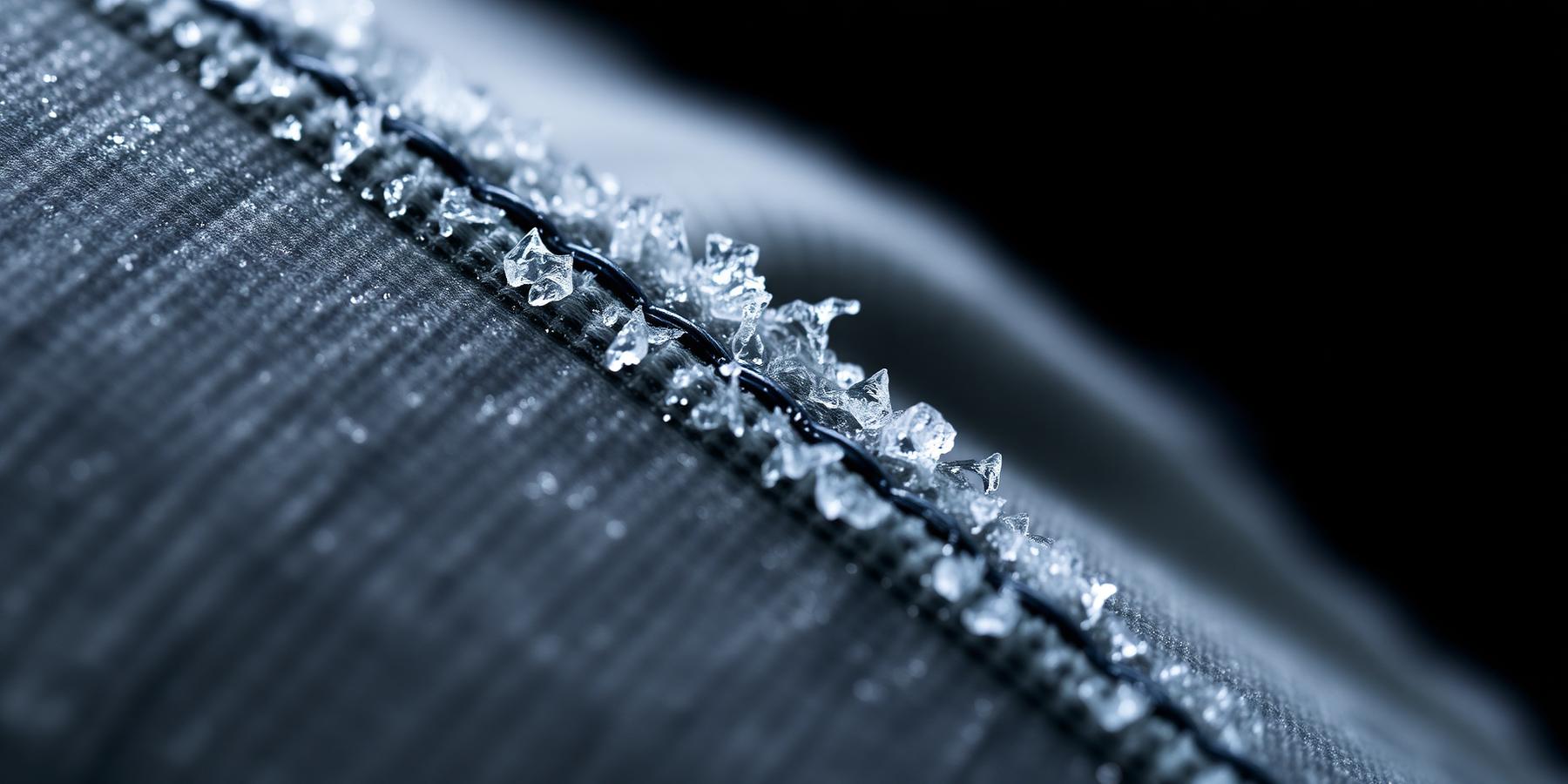
Macro view of ice crystals forming along the stitched seam of a tote bag
FIG. 07 / AREA / SEAM

CHAPTER 08

TOTE BAGS IN SNOW

  • ENVIRONMENT / SNOW
  • USE / EVERYDAY
  • ADVICE / MEASURED

The practical chapter. Most people carrying a tote through snow are not conducting a study; they are going somewhere.

A normal tote can be carried in snow. Millions are, every winter, across every northern city, and the overwhelming majority survive the season without incident. The question is not whether it can be done but what to expect while doing it.

Expect the outside to get wet, and expect the inside to get wet if the bag is open at the top — which a tote, by definition, is. An untreated canvas tote is not waterproof and does not pretend to be. A coated nylon one may shed water from its outer face and still admit snow straight through the opening. Waterproof fabric and a waterproof bag are different claims, and only the manufacturer can tell you which applies.

Protect contents rather than the bag. Anything that must stay dry — paper, electronics, a laptop — belongs in a closed inner pouch or sleeve. This single habit removes most winter unpleasantness and costs nothing.

Slush is worse than snow. Pavement slush carries grit and, in salted cities, de-icing chemicals. A bag set down in it takes on a mixture that dries into visible marks and keeps the base damp. Where possible, do not put the bag on the ground; where that has happened, rinse the base with cool water before drying.

Brush loose snow off outdoors before going in. It takes five seconds and prevents the melt that starts the whole moisture cycle. If the bag is already saturated, empty it, open it out and let it dry at room temperature rather than on a radiator.

Do not store a wet tote. A damp bag folded into a cupboard for a fortnight produces mildew and an odour that outlasts the winter. Dry first, store second.

Finally, tote bags are not a category with uniform behaviour. A waxed canvas shopper, a printed cotton giveaway bag, a coated technical packable and a laminated PVC accessory share a silhouette and very little else. Where a care label exists, it is more authoritative than any general advice, including this.

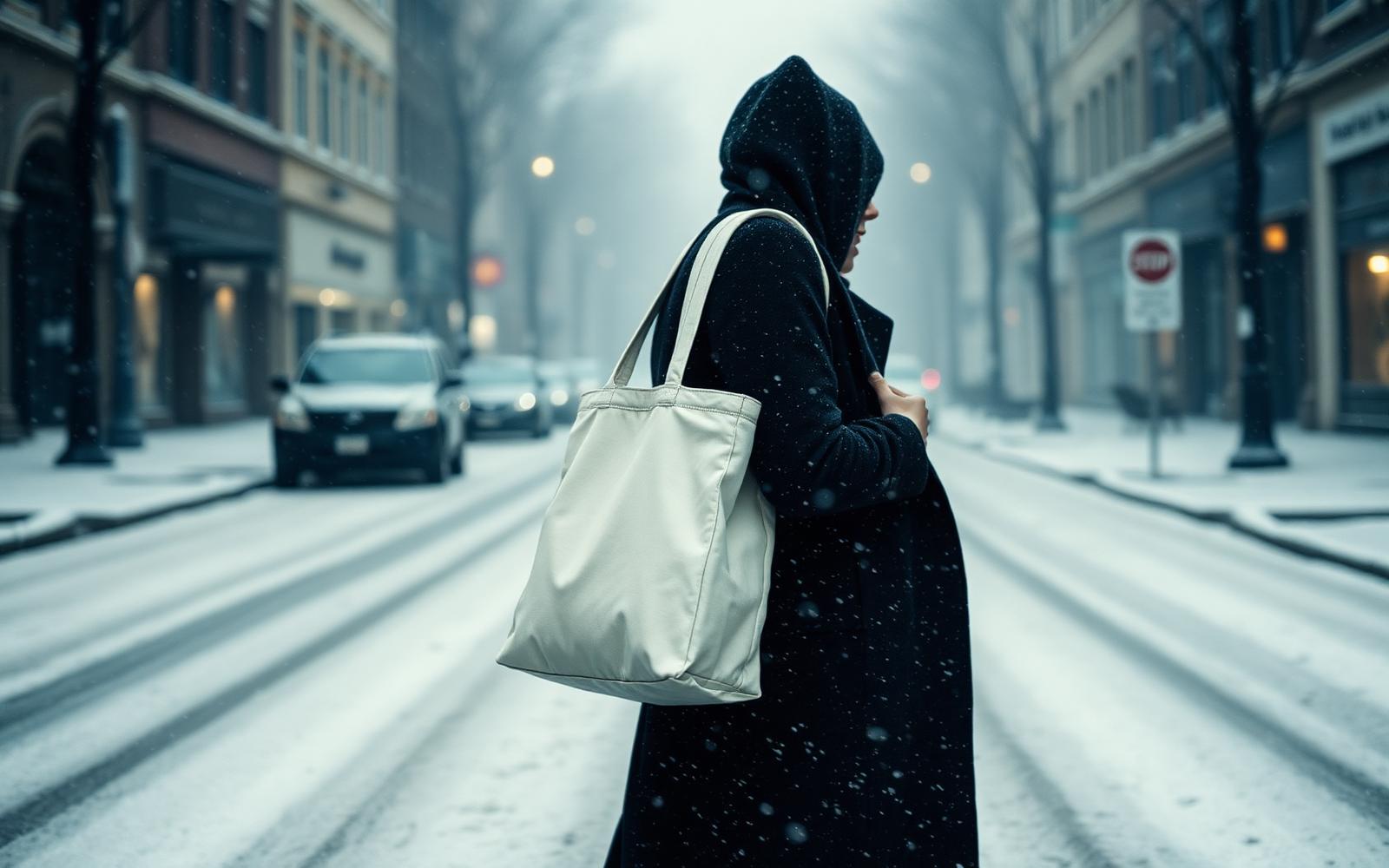
Cream canvas tote bag carried through falling snow on a winter street
FIG. 08 / ENVIRONMENT / SNOW

COLDTOTE / OBSERVATIONS

FIELD NOTES

01 / HANDLE RIGIDITY

Below −15°C, the handle ceases to behave as an accessory and begins to behave as architecture.

02 / SURFACE FROST

Canvas accepts frost differently from nylon. The difference is immediately visible.

03 / LOAD

A tote without load is theoretical.

04 / EXPOSURE

Cold changes nothing. Cold reveals everything.

COLDTOTE / MATERIAL STUDIES

WHAT DOES TEMPERATURE DO TO A TOTE BAG?

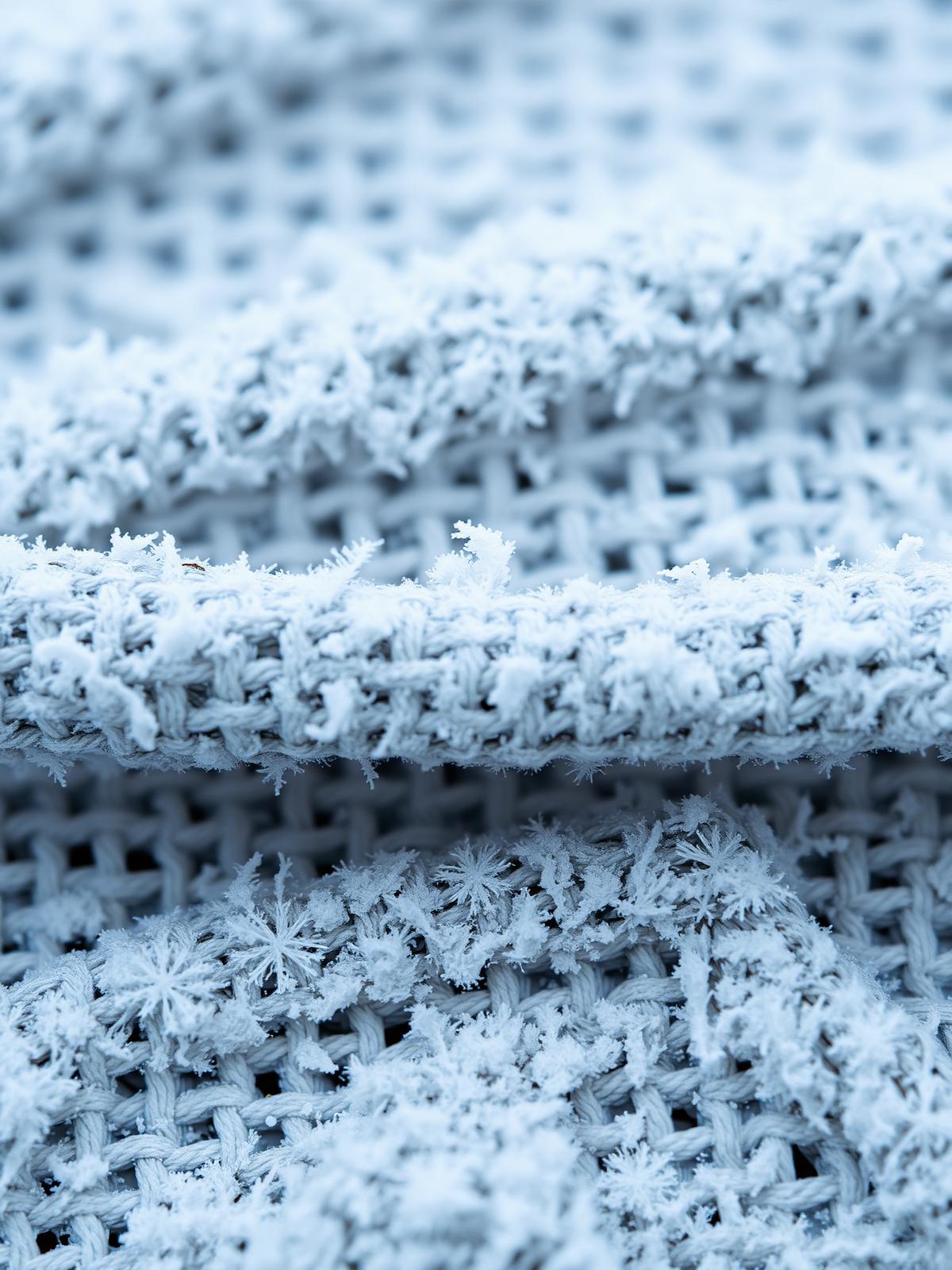
Macro view of frost forming on heavy cotton canvas weave
  • FIBRE STATE / ABSORBENT
  • ICE ACCRETION / WITHIN WEAVE
  • STRAP FLEX / REDUCED
  • SURFACE RESPONSE / MATTE
  • OBSERVATION TIME / 04H 20M
CANVAS
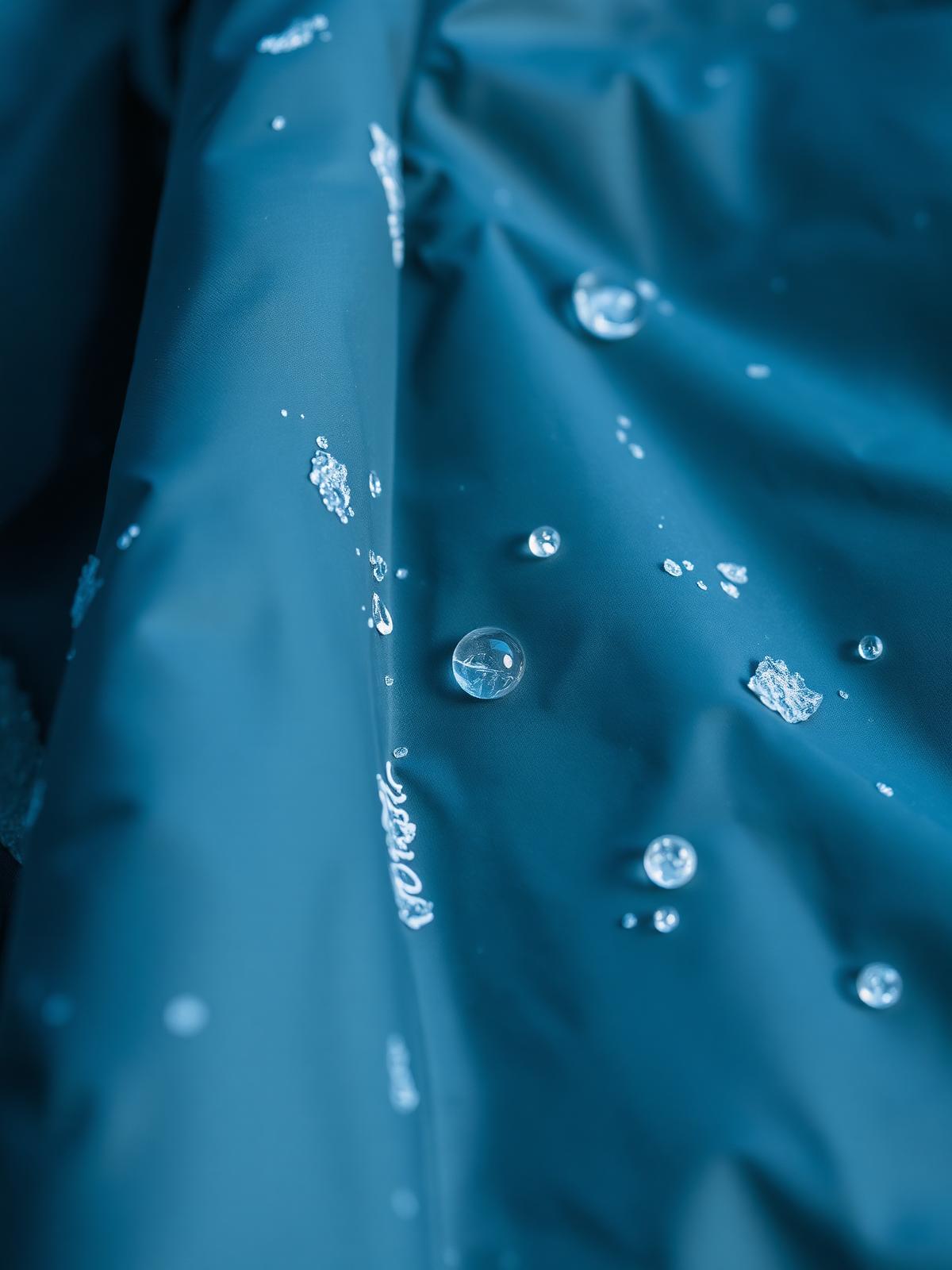
Macro view of frozen water droplets on coated nylon fabric
  • FIBRE STATE / NON-ABSORBENT
  • ICE ACCRETION / SURFACE GLAZE
  • STRAP FLEX / RETAINED
  • SURFACE RESPONSE / BEADING
  • OBSERVATION TIME / 02H 55M
NYLON
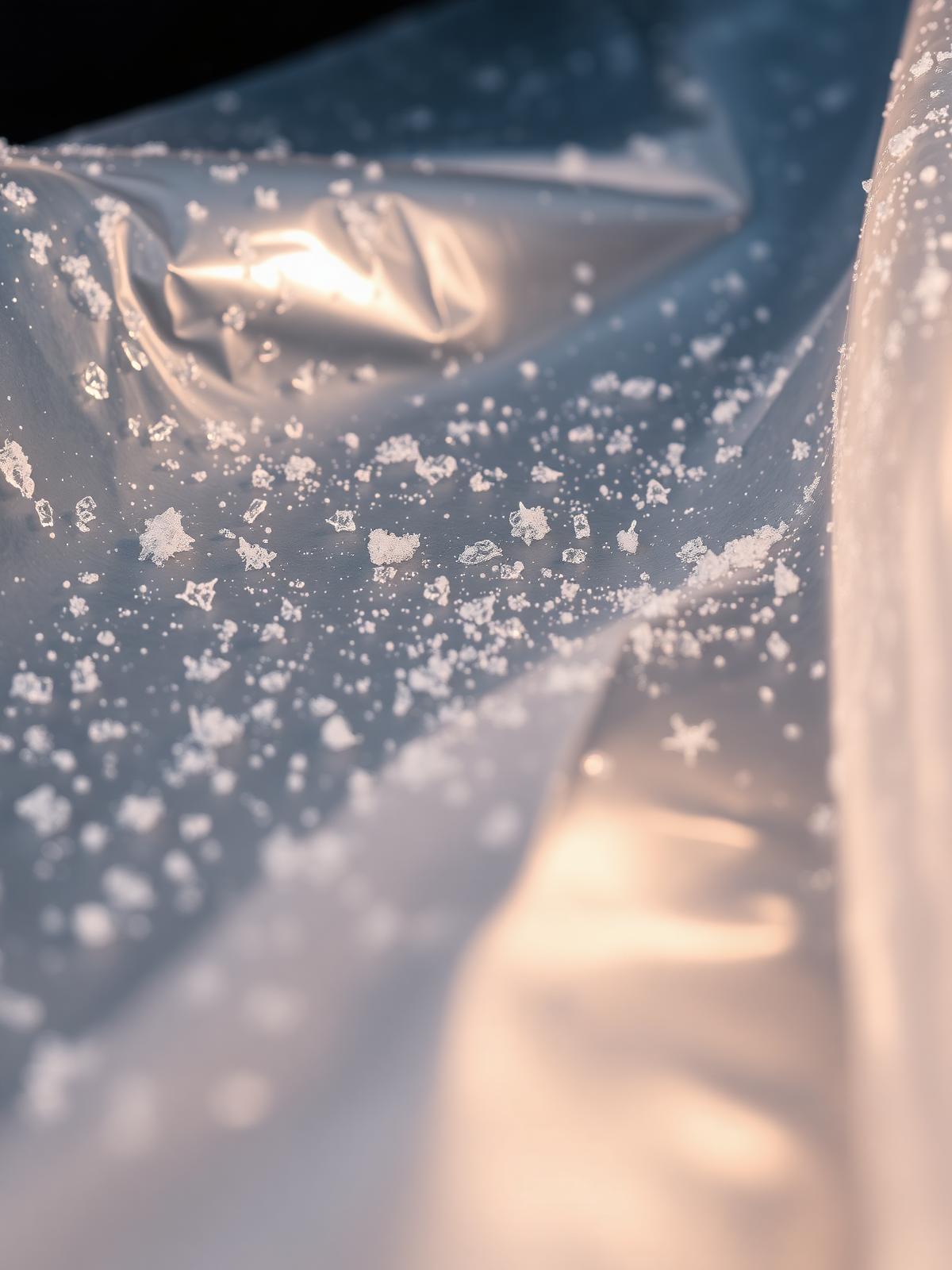
Macro view of condensation and frost crystals on translucent PVC
  • FIBRE STATE / NONE
  • ICE ACCRETION / CONTINUOUS FILM
  • STRAP FLEX / MINIMAL
  • SURFACE RESPONSE / SPECULAR
  • OBSERVATION TIME / 01H 10M
PVC
Macro view of an unidentified dark textile encased in clear ice
  • FIBRE STATE / UNDETERMINED
  • ICE ACCRETION / TOTAL
  • STRAP FLEX / NOT OBSERVED
  • SURFACE RESPONSE / UNRESOLVED
  • OBSERVATION TIME / CONTINUING
UNKNOWN

ENVIRONMENTAL SCALE

  1. +10°CCOOL
  2. 0°CFREEZING POINT OF WATER
  3. −10°CCOLD
  4. −20°CVERY COLD
  5. −30°CEXTREME COLD ENVIRONMENT

ILLUSTRATIVE ENVIRONMENTAL SCALE. NOT PRODUCT PERFORMANCE RATINGS.

Temperature is the number everyone reaches for, and on its own it describes almost nothing about what a tote bag is going through. The scale above is an environmental reference. It marks the conditions in which the photographs in this archive were made. It is not a rating of any product, and no point on it should be read as a limit, a threshold or a guarantee.

Moisture is the first variable that has to sit alongside it. A dry bag at −25°C is in a calmer situation than a saturated bag at −3°C, because the second one contains ice and the first one does not. Any statement about temperature that omits water is incomplete.

Material is the second. Absorbent natural fibres hold water inside the yarn; synthetics keep most of it on the surface. The same air temperature produces two different objects depending on which of those is under it.

Duration matters more than people assume. Ten minutes between a shop and a car is not an exposure. Four hours on a sledge, a bench or a roof rack is. Time is what allows moisture to migrate into seams and handles, and it is what allows a partially wet bag to freeze all the way through.

Construction and load work together. Layer count, stitch density, reinforcement at the handle bases and the weight being carried decide where stress ends up. A cold bag carrying two kilos and a cold bag carrying twelve are not comparable, whatever the thermometer says.

Wind and repeated transitions finish the picture. Moving air accelerates cooling and drives snow into a weave. Repeated movement between −15°C outdoors and +21°C indoors cycles the same water through freezing and thawing several times a day, which is a more demanding regime than a steady cold that never lets anything melt.

This is why ColdTote records temperature alongside material, location and conditions rather than in place of them. The number is a coordinate, not a verdict.

THE STRAP

Monochrome photograph of a tote bag handle pulled taut against snow
MONOCHROME STUDY / HANDLE UNDER LOAD / −19°C

The tote is defined by the space between object and carrier.

In extreme cold, that relationship becomes visible.

VIEW STRAP STUDIES →
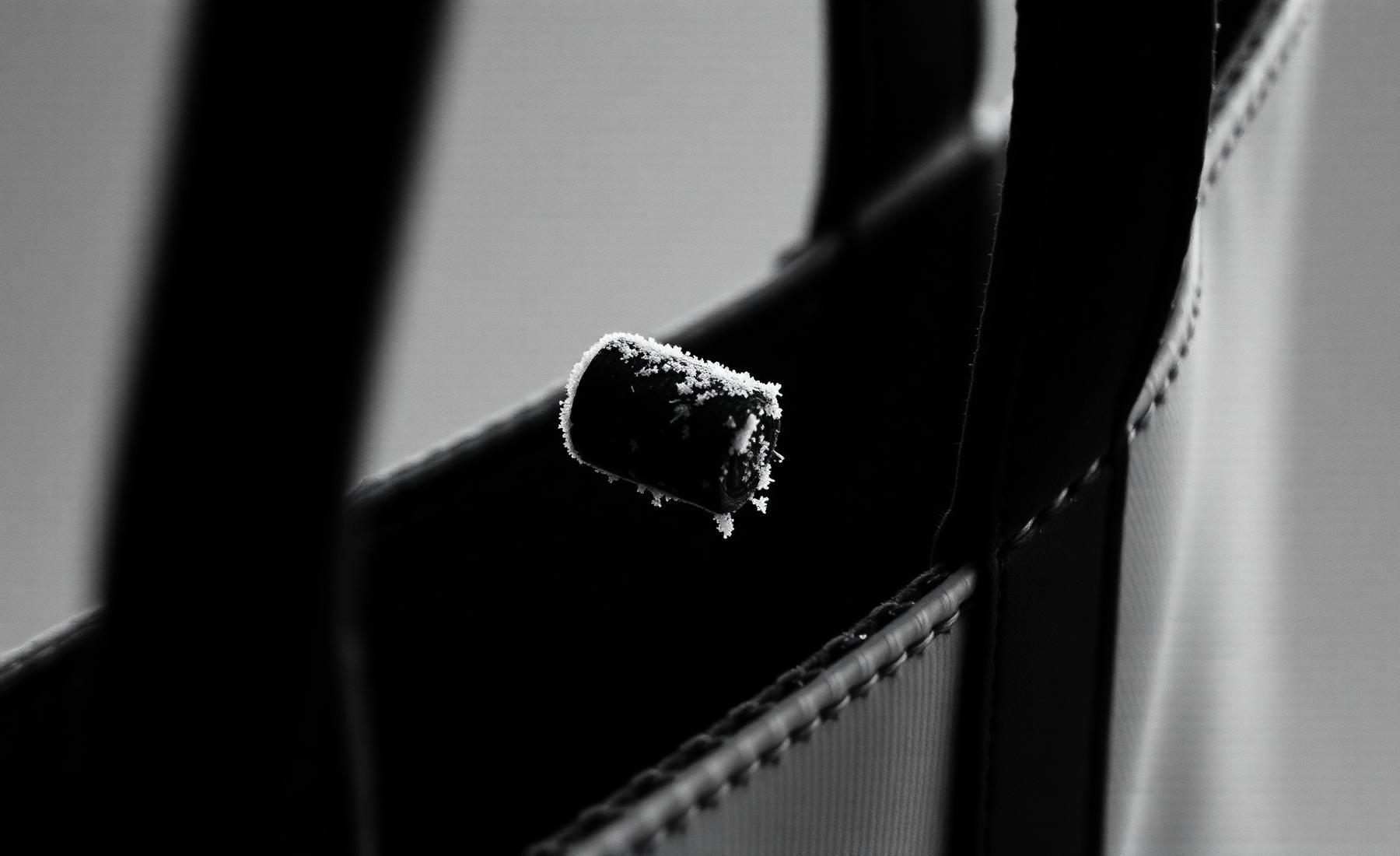
Monochrome close view of a frozen tote handle attachment point and stitching
STRAP STUDY 02 / ATTACHMENT POINT / STITCH LINE

COLDTOTE / QUESTIONS

COLD WEATHER TOTE QUESTIONS

What is ColdTote?

ColdTote is an independent editorial project about tote bags in cold environments, published at ColdTote.com. It combines photography made in snow, ice and sub-zero conditions with written observations about how tote materials, seams and handles behave when the temperature falls and moisture is present. It is not a shop, a manufacturer or a testing body, and it issues no certifications or performance ratings. The subject is deliberately narrow: one ordinary object, examined closely, in conditions it was never designed for.

Can tote bags survive freezing temperatures?

In most cases, yes. Cold air on its own does very little to a dry textile assembly beyond making it colder and somewhat less pliable. What determines how a tote fares through a winter is moisture, how often it is loaded while wet or frozen, and how it is treated between exposures. Repeated freeze-thaw cycling with grit or road salt present is the demanding case, and it concentrates at the handle attachments and seams rather than across the flat panels.

Can tote bags freeze?

Water on or within a tote bag freezes; the fabric itself does not undergo any comparable change. A dry bag at −25°C is simply very cold. A wet one at the same temperature contains ice between and inside its yarns, which is why it becomes rigid, holds its folds and sometimes stands up on its own. The condition is temporary and reverses on thawing. The practical consequence is to avoid folding, cramming or heavily loading a bag while it is in that state.

Can canvas tote bags freeze?

Canvas is absorbent, so it is the material where this is most noticeable. Water taken into cotton yarn freezes in place, and a saturated heavy canvas panel can become stiff enough to hold a shape it was never meant to hold. Handles may set into whatever curve they were in when they froze. Once thawed and dried at room temperature, canvas generally returns to its previous condition. Damage, when it happens, usually comes from forcing a frozen panel through a sharp fold.

Can you carry a tote bag in snow?

Yes, with reasonable expectations. A tote is open at the top, so snow can enter regardless of how the fabric performs, and an untreated canvas bag is not waterproof. The useful habit is to protect the contents rather than the bag: anything that must stay dry belongs in a closed pouch or sleeve inside. Brushing loose snow off before going indoors prevents most of the mess, and keeping the base out of pavement slush avoids grit and salt marks.

Does snow damage tote bags?

Snow itself rarely does. The damage pathway runs through what snow becomes. Meltwater carries dirt and salt into the weave, repeated saturation and drying stresses stitching, and a bag stored damp develops mildew and odour — by some distance the most common winter outcome. Dry snow brushed off outdoors before it melts is close to a non-event. Slush, which is already water and already carrying grit, deserves more caution than fresh snowfall does.

What happens if a wet tote freezes?

The water in and around the fibres turns to ice, and the bag stiffens, sometimes considerably. Folds set, handles hold their shape, and the object behaves as a rigid item rather than a flexible one. It can usually still be carried. What it should not do is take a heavy load or be forced into a tight space while frozen, because the fabric is then flexing around ice rather than around thread. After thawing, empty it and let it dry fully at room temperature.

Are nylon tote bags suitable for cold weather?

Nylon handles winter moisture differently rather than better in every respect. Because the fibres absorb very little water, moisture tends to stay on the surface, where it can be shaken or wiped off and where it dries quickly. Surface water that is left will still freeze into a thin glaze. Coated fabrics also become less flexible when very cold, so repeated hard folding of a frozen coated panel is worth avoiding. On lightweight packable models, the stitching and reinforcement carry the real load.

Does a tote bag become stiff in freezing temperatures?

Often, and for two separate reasons. Fibres and coatings become less pliable as they get colder, which produces a modest firmness in a completely dry bag. Far more noticeable is ice: any water held in the weave, the seams or the handles freezes and locks the structure in position. The second effect is much larger than the first and disappears entirely on thawing, which is a reliable way to tell which one is being felt.

How should a tote bag be dried after snow?

Brush off loose snow outdoors, then empty the bag completely. Open it out so air reaches both faces and the base, and leave it at room temperature. Avoid radiators, hot air and direct heat, which can shrink cotton and damage printed or coated surfaces. If the bag has been in road slush, rinse the affected area in cool water first to remove salt and grit. Where a care label exists, follow it — particularly for anything printed, waxed, coated or lined.

Is ColdTote.com independent?

Yes. ColdTote is independently owned and published, with no commercial affiliation to any company, product or brand, and no sponsorship behind its photography or writing. It is not endorsed by any manufacturer, and nothing in the archive should be read as a product recommendation or an assessment of a particular maker's goods. The domain coldtote.com is itself available for acquisition; enquiries can be submitted through the domain section of this page.

COLDTOTE / FIELD PRINCIPLE 001

THE COLDER THE ENVIRONMENT,
THE MORE SERIOUSLY
WE TAKE THE TOTE.

ColdTote is an independent archive of tote bags, materials and carrying behaviour in cold environments.

  • SNOW.
  • ICE.
  • CANVAS.
  • NYLON.
  • HANDLES.
  • SEAMS.

NOTHING MORE.

COLDTOTE / SUBMISSIONS

SUBMIT YOUR TOTE

ColdTote accepts photographic submissions from tote owners operating above 60° latitude or below 0°C.

REQUIRED

  • TOTE
  • LOCATION
  • TEMPERATURE
  • MATERIAL
  • PHOTOGRAPHIC EVIDENCE

DOMAIN AVAILABILITY

  • DOMAIN / CT-COM
  • STATUS / AVAILABLE
  • TYPE / PRIVATE ACQUISITION

COLDTOTE.COM

This independently owned domain, coldtote.com, is available for purchase.

coldtote.com was independently registered on 2 December 2024.

Acquisition enquiries are welcome from interested parties.